Foot Print Silhouette Vector: A Designer’s Real-Use Review
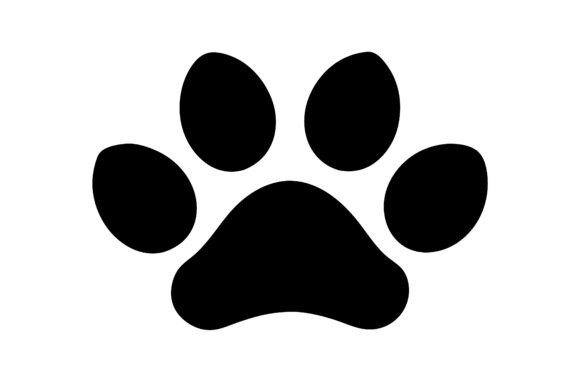
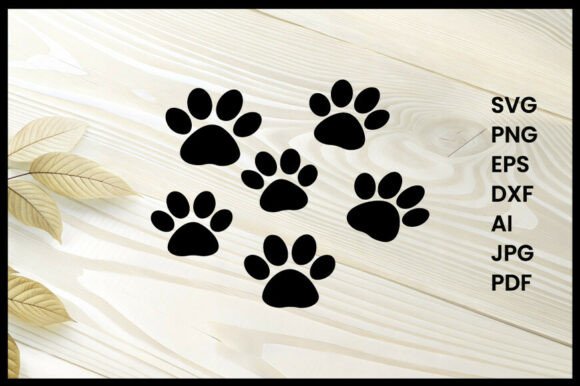
When I first opened the Foot Print Silhouette Vector file, I was struck by its clean, unfussy layout. This is not a design trying to impress with elaborate shading or busy layers. It is an arrangement of six dog paw prints on a white background, simple and direct. As someone who has tested hundreds of embroidery files for real projects, I immediately recognized the value of that simplicity. In machine embroidery, a clear silhouette translates to predictable stitching, clean edges, and a finished product that looks sharp whether it is stitched on a tote bag, a sweatshirt, or a baby onesie. The mood here is warm without being sentimental, and the visual personality is confident enough to work for both playful pet gifts and more polished commercial merchandise.
I have spent years in the craft business, and I know that the best embroidery designs are the ones that do not fight the fabric. The Foot Print Silhouette Vector belongs to that category. It respects the medium. The paw prints are evenly spaced, which means they will fill a hoop nicely without awkward gaps or crowding. That spacing also makes it easier to adjust the design for different garment sizes. If you are an Etsy seller or a small shop owner who needs a versatile design for custom apparel, this file gives you room to breathe. You can scale it up for a hoodie back or keep it compact for a cap front. The design does not dictate the product; it adapts to it.
Why This Design Works for Real Embroidery Projects
I recently prepared a batch of custom embroidered tote bags for a local pet supply boutique. The owner wanted something that would appeal to dog owners without looking too cartoonish. We tested the Foot Print Silhouette Vector on a medium-weight cotton tote, using a basic satin stitch around each paw pad and a light fill stitch for the main shape. The result was clean, professional, and exactly what the shop needed. The design stitched out quickly, which is a huge advantage when you are running a small business and every minute counts. There was no excessive stitch density, no tiny details that would get lost in the fabric, and no thread breaks that would slow down production.
For machine embroidery designers and crafters, this file is a practical asset. It works well as an applique design too, because the silhouette shapes are large enough to be cut and placed without frustration. I have also used it as a standalone embroidery file for patches, and the stitch-out was just as reliable. The key is that the Foot Print Silhouette Vector does not rely on fine lines or complex gradients. It is a solid graphic, and that is exactly what embroidery needs to look good on a finished product.
Where This Design Fits in Your Product Line
I have seen this design used effectively on several product types, and I want to share what I have observed so you can decide where it fits best in your own shop or portfolio.
- Custom apparel – Sweatshirts and t-shirts embroidered with this design sell well for dog owners. The silhouette style feels modern and understated, which appeals to customers who want something subtle rather than loud.
- Baby embroidery – If you adjust the size slightly, the paw prints work beautifully on baby onesies or blankets. The design is not too large for tiny garments, and the simple shape is easy to stabilize on stretchy fabrics like interlock knit.
- Embroidered patches – Because the shapes are bold and distinct, this design is ideal for patches. I have stitched it onto twill fabric and finished the edges with a satin stitch. The patch looked professional and held up well after multiple washes.
- Home decor – Pillow covers, tea towels, and nursery decor all benefit from a design that does not overwhelm the fabric. The Foot Print Silhouette Vector adds a personal touch without dominating the space.
- Holiday and personalized gifts – This is a strong choice for pet-related holiday gifts. I have seen it embroidered on aprons for dog-loving home cooks and on caps for pet store employees. The design is versatile enough to fit many gift scenarios.
Using This Design for Commercial Embroidery Projects
If you are a creative entrepreneur or a small business owner who sells finished products, you will appreciate how this design behaves in production. The Foot Print Silhouette Vector is a graphics file that you can easily adapt for your own embroidery machine. Because it is a vector silhouette, you can scale it without losing resolution, and you can convert it into a digital embroidery file using your preferred software. That flexibility is important when you are producing items for a craft fair or a custom order batch.
I have also used this design for printable mockups. When I list a new product on Etsy, I like to show customers how the embroidery will look on different garments. The silhouette style is easy to overlay onto photos of shirts, bags, and hats. It gives a clean, professional preview that helps buyers imagine the finished product. That is a small detail, but it can make a big difference in customer engagement and trust.
Where to Be Careful with This Design
No embroidery design is perfect for every situation, and the Foot Print Silhouette Vector has some considerations you should keep in mind before you start stitching.
- Small hoop sizes – If you plan to use a very small hoop, make sure you scale the design down carefully. The paw prints are distinct, but shrinking them too much could cause the individual toe shapes to become less defined. I recommend testing the size on scrap fabric before committing to a final product.
- Textured or thick fabrics – On heavy fabrics like fleece or thick sweatshirt material, the silhouette may need a slightly higher stitch density to avoid looking flat. I suggest using a medium-weight stabilizer and checking the stitch-out for any gaps.
- Stretchy fabrics – When embroidering on knits or other stretchy materials, always use a cutaway stabilizer. The simple fill areas of this design can pull or distort if the fabric is not properly supported.
- Dark fabrics – The paw print shapes are solid, so thread color contrast is critical. On dark fabrics, use a bright or light thread color to make the silhouette pop. I have tested this with white and neon thread on black shirts, and the results were excellent.
- Curved surfaces like caps – If you are embroidering this design on a cap, keep the size moderate. The paw prints are spaced out, so a large version might wrap too far around the curve and lose its visual balance. A compact layout works better for hats.
Practical Designer Notes Before You Stitch
I always tell my students and clients to treat every new embroidery file as a test case. Even a simple design like the Foot Print Silhouette Vector deserves a trial run. Here are a few steps I recommend before you start production.
- Test on scrap fabric – Use the same fabric type you plan to use for the final product. This will show you how the design behaves with your stabilizer and thread combination.
- Check thread color contrast – Hold your chosen thread next to the fabric in natural light. If the contrast is weak, the silhouette will not read clearly.
- Review stitch density – If you are converting the vector to an embroidery file yourself, adjust the density so the fill stitch is smooth but not too dense. Overly dense stitching can cause puckering, especially on lighter fabrics.
- Confirm hoop size – Make sure the scaled design fits comfortably within your hoop with room to spare. You do not want the design crowding the edges of the hoop.
- Test in black and white mockups – Before you stitch, look at the design in a simple black and white preview. This helps you see the silhouette clearly and spot any awkward spacing or shape issues.
- Inspect small details – The paw prints in this design are straightforward, but look closely at the toe shapes. If any area is too thin or too narrow, it may not stitch out cleanly at small sizes.
- Check licensing for commercial use – The product description says you can use it for print-on-demand services, but always confirm the license terms for your specific business. If you plan to sell embroidered items or digital products, make sure you are covered.
How This Design Affects Product Value and Customer Trust
In my experience, customers notice when a design is carefully placed and well stitched. The Foot Print Silhouette Vector has a clean, professional look that communicates quality. When I used it on a custom apron for a dog groomer, the client specifically mentioned how the embroidery looked polished and not too busy. That kind of feedback is valuable because it tells me the design is helping the product feel intentional rather than generic.
For handmade product sellers, this design also supports brand consistency. If you offer pet-themed items in your shop, the silhouette style can become a recognizable element of your product line. It is simple enough to work across different product categories, from apparel to home decor, without feeling like you are repeating the same idea. That consistency builds trust with buyers who return to your shop for gifts or personalized items.
Final Thoughts on Foot Print Silhouette Vector for Your Craft Business
I have reviewed many embroidery files over the years, and the Foot Print Silhouette Vector stands out for its practicality. It is not a design that tries to do too much. It is a thoughtful arrangement of six dog paw prints that works well in real embroidery situations. Whether you are a hobbyist making a gift for a friend or a small business owner producing items for a boutique, this file gives you a solid foundation to build on.
My advice is to treat it as a versatile tool in your design assets. Use it for custom apparel, embroidered patches, baby products, holiday gifts, or any project where a clean silhouette adds value. Test it on your own machine, adjust the size and thread colors to fit your product, and see how it performs. The Foot Print Silhouette Vector is a reminder that good design does not have to be complicated. It just has to work well with the materials and machines you use every day.