Sickness Fever Symptoms Vector
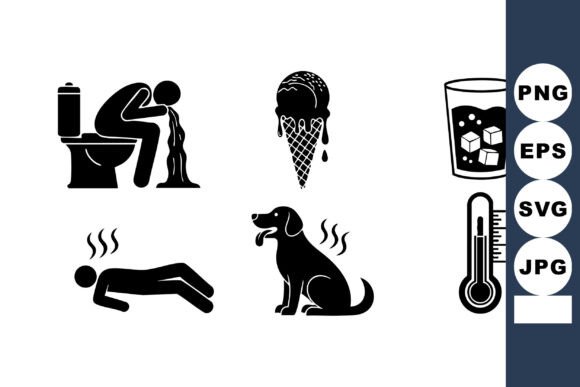
As an embroidery designer and product reviewer, I often find myself evaluating digital designs for real-world use. The Sickness Fever Symptoms Vector caught my attention because of its unique theme and potential for creative application. This black-style illustration features common sickness symptoms like vomiting, nausea, fever, and temperature, along with icons such as a sick person, ice cream, a dog, and thermometer. It’s a design that could work well in specific contexts, but it also comes with some limitations that need to be considered before incorporating it into your projects.
First Impressions: Mood and Visual Personality
The Sickness Fever Symptoms Vector has a clean, minimal aesthetic that leans toward the illustrative rather than the abstract. The black style gives it a bold, graphic feel that can stand out on fabric. However, the subject matter is somewhat niche, which means it won’t appeal to everyone. The layout is straightforward, with each icon clearly separated and positioned in a way that makes the design easy to read at a glance.
For a custom embroidered tote bag or sweatshirt, this design might be too literal for general audiences. But if you’re targeting a specific audience—like a healthcare-themed gift, a humorous item for a sick friend, or a themed craft fair booth—it could work well. The visual personality feels more suited for a handmade product or personalized gift rather than a commercial branding element.
Real-Life Embroidery Use Cases
When considering how the Sickness Fever Symptoms Vector would perform in real-life embroidery situations, several factors come into play. For custom apparel, such as t-shirts or sweatshirts, the design’s detail level is adequate but not overly complex. It would likely work best as a standalone emblem rather than part of a larger composition.
In baby items, like onesies or blankets, the design could be problematic. While the icons are simple, the theme may not be appropriate for a child’s clothing. Similarly, for holiday or wedding gifts, the design might feel out of place unless it’s used in a very specific, intentional way.
Embroidered patches, aprons, and pillow covers could be good applications, especially if the design is scaled appropriately. The vector format allows for flexibility, making it easier to adjust size without losing quality. However, the black style might not translate well to dark fabrics without careful consideration of thread color contrast.
Where to Use With Caution
There are several scenarios where the Sickness Fever Symptoms Vector might not perform as expected. Small hoop sizes can be a challenge, as the design’s details may become lost or distorted. Textured fabrics, thin materials, or stretchy garments could also affect the final appearance, particularly if the stitch density isn’t adjusted properly.
On dark fabrics, the black design may not show up as clearly as intended, so testing with different thread colors is essential. Curved surfaces like caps or hoods may require repositioning the design to avoid distortion. Tiny lettering or intricate corners might not hold up well in dense stitch areas, so simplifying the design could be necessary.
For products that see frequent washing, the durability of the embroidery is another concern. Ensuring proper stabilizer use and correct stitching techniques will help maintain the design’s integrity over time.
Impact on Visual Appeal and Customer Trust
Visual appeal is key when it comes to embroidery projects, and the Sickness Fever Symptoms Vector has a clear, recognizable style. However, its niche nature means it may not resonate with all customers. For handmade products or personalized gifts, the design could add a unique touch, but it’s important to consider the target audience carefully.
Customer trust is built through professionalism and consistency. If the design is used in a commercial embroidery project or sold as a digital product, the quality of the embroidery file and the clarity of the stitching will directly impact buyer engagement. A poorly executed design can lead to negative reviews and reduced sales, especially on platforms like Etsy or in small shop merchandise.
Practical Designer Notes
Before using the Sickness Fever Symptoms Vector in any project, I recommend testing it on scrap fabric first. This will help you assess how the design looks in different thread colors and on various fabric textures. Checking the stitch density is also important, as some areas of the design may require adjustments to ensure even coverage.
Confirming the hoop size needed for the design is crucial, especially if you’re working with limited space. Inspecting small details, like the edges of the icons, can prevent issues during the embroidery process. Testing the design in black and white mockups can also give you a better idea of how it will appear on different backgrounds.
If you’re planning to sell finished products or digital files, make sure you understand the licensing terms. Even though the product description doesn’t specify, it’s always wise to verify before using the design commercially. Using the Sickness Fever Symptoms Vector as part of a printable mockup or digital product preview can help showcase its potential without committing to a full production run.
Final Thoughts
The Sickness Fever Symptoms Vector is a design that requires thoughtful consideration before use. Its clean, black-style illustration offers a bold look that can work in certain contexts, but it’s not a one-size-fits-all solution. Whether you’re an Etsy seller, a craft business owner, or a hobbyist, understanding the strengths and limitations of this design will help you make informed decisions about how to incorporate it into your work.
For the right audience and application, the Sickness Fever Symptoms Vector could be a valuable addition to your design assets. Just remember to test, adapt, and consider the practical implications of using it in real embroidery projects.