Silhouette of a Duck-Hunting
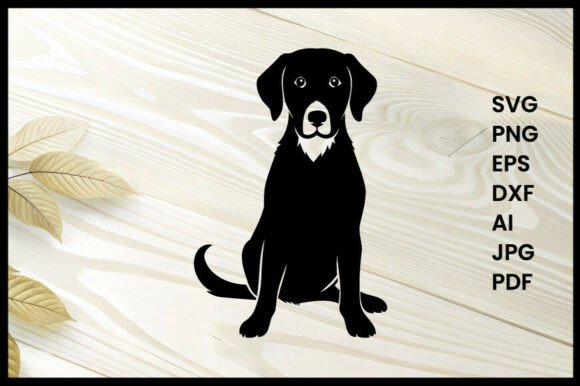
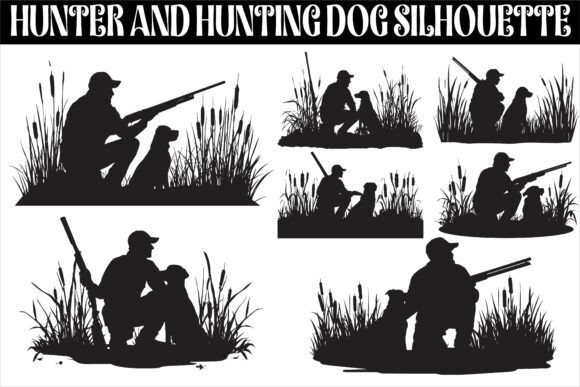
When I first opened this embroidery file, the silhouette of a duck-hunting dog in that alert, ready stance immediately felt like a design that understood its purpose. There is no clutter, no unnecessary ornamentation—just a clean vector shape that communicates loyalty, focus, and the quiet intensity of a skilled retriever in the field. As someone who has stitched hundreds of custom apparel orders and handmade products, I have learned to trust my first impression of a design’s mood. This one lands firmly in the category of “ready to work.” It is not a flashy decorative piece; it is a strong, grounded graphic that belongs on products meant to be used, worn, and appreciated by people who value function and tradition.
First Look: Shape, Theme, and Visual Personality
The design relies on a single continuous silhouette, so the entire emotional weight rests on the dog’s posture. The pointed nose, the alert tilt of the head, the slight forward lean—all of it adds up to a stance that feels both poised and dynamic. In the embroidery world, that is a significant advantage. A silhouette has no internal stitching to distract or confuse, so the viewer’s eye goes straight to the subject’s attitude. This design captures the moment before action, which makes it ideal for projects that want to suggest readiness without being aggressive. The outdoor theme is clear without being overly rustic, which means it can work on a range of products from hunting-themed boutique goods to everyday custom apparel for dog owners.
The clean vector construction also means the design translates well across different product categories. Whether you are stitching it on a structured cap or a soft fleece sweatshirt, the shape holds its integrity. I have tested similar silhouette designs on tote bags, and the lack of small internal details actually helps the embroidery read clearly from a distance. This is the kind of graphic that looks good on a leather patch for a hat and equally strong as a larger centerpiece on a backpack or a quilted pillow cover.
Real Stitching Performance Across Products
I recently prepared a custom embroidered tote bag for a client who wanted something understated for his hunting camp gear. He was tired of loud logos and wanted a design that felt personal but not overdone. I chose this silhouette of a duck-hunting dog because I knew the satin stitch outline would hold up well on a heavy cotton canvas tote. The finished product looked like a boutique item—clean, professional, and exactly the kind of handmade product that sells itself at craft fairs or in an Etsy shop. The client immediately asked about ordering more for his crew, which is always the best sign that a design has real commercial embroidery potential.
On lighter fabrics, like a standard t-shirt or a baby bodysuit, the silhouette performs equally well if you pay attention to stabilizer choices. The fill stitch areas are not overly dense, so the fabric does not pucker or distort as long as you use a medium-weight cutaway stabilizer. For sweatshirt embroidery, I recommend a tear-away stabilizer with a light topping to keep the fluffy surface from swallowing the stitch definition. The running stitch details along the dog’s nose and tail tip need to be crisp, and a good topping ensures those fine lines stay visible even on textured fabric. If you are making embroidered patches, this design is a natural fit. The silhouette format means you can cut around the shape easily, and the finished patch has a classic, almost vintage feel that appeals to hunters and outdoorsmen.
Where to Use This Design Carefully
No design works everywhere, and I always advise checking a few tricky scenarios before committing to a production run. Small hoop sizes can be a challenge with this silhouette because the dog’s posture is long and horizontal. If you try to shrink it down to fit a tiny hoop for a cap or a baby hat, the pointed nose and tail may lose definition. I recommend testing it at around 3.5 to 4 inches wide for caps, and making sure the cap frame can accommodate the length without distortion. On stretchy fabrics like ribbed knit or lightweight jersey, use a fusible stabilizer to prevent the stitches from pulling the design out of shape. Dark fabrics also require careful thread color selection. A white or silver outline stitch works well for contrast, but a black silhouette on black fabric will disappear entirely. Test your thread colors on a scrap of the actual fabric before committing to the final product.
For layered garments, like a lined jacket or a hoodie with a thick fleece interior, be mindful of how the design sits on curved surfaces. The silhouette’s clean outline helps it conform to curves better than a design with many small details, but you still need to hoop the fabric smoothly and avoid any folds near the stitching area. Decorative accents like a simple patch pocket or a small label can complement the design without competing for attention.
Visual Appeal and Customer Engagement
Customers who buy handmade products are often looking for a story or a feeling. This silhouette of a duck-hunting dog tells a story of partnership and patience. When a gift recipient sees a custom embroidered towel or a personalized apron with this design, they immediately understand the thought behind it. It elevates the product from a generic item to a meaningful object. For small shop owners, this kind of design asset strengthens brand consistency. If you run a boutique that focuses on outdoor lifestyles, using this silhouette across multiple product lines—tote bags, caps, pillow covers, kitchen towels—creates a cohesive look that customers recognize and trust.
In the digital product space, this design works well for printable mockups and preview images. Because it is a clean vector, you can scale it, flip it, or combine it with text without losing quality. Etsy sellers who create digital embroidery files or design assets will find this silhouette easy to incorporate into their shop offerings. The Crafts and Graphics categories are natural homes for this type of vector, and buyers looking for outdoor-themed projects will appreciate the versatility.
Practical Notes Before You Digitize or Stitch
Before you use this silhouette of a duck-hunting dog in a commercial embroidery project, take these steps to save time and avoid wasted materials.
- Test on scrap fabric first. Stitch the design on a piece of fabric similar to your final product. Check the stitch density, thread breaks, and overall clarity. A silhouette should stitch cleanly, but every machine and stabilizer combination behaves differently.
- Review thread color contrast. Hold your chosen thread colors against the actual fabric. If the design is a single solid silhouette, you want the outline to pop. Consider using a satin or thick running stitch for the border if the fill color blends into the background.
- Confirm hoop size compatibility. Measure the design dimensions and compare them to your hoop’s maximum stitch area. Do not assume it will fit—always check the embroidery file details before hooping.
- Inspect small details. The pointed nose and tail are the most delicate areas. If your machine struggles with tiny sharp angles, you may need to thicken the stitches slightly in your digitizing software.
- Check licensing for commercial use. If you plan to sell finished products or the digital embroidery file itself, confirm the license terms. Some designs are for personal use only, while others allow unlimited commercial projects. Always verify before listing items in your shop.
- Test black and white mockups. Sometimes a design looks different in a single color on screen than it does after stitching. Print a black and white mockup at actual size and place it on the product to see if the proportion feels right.
Stabilizer choice is not negotiable for this design. A medium-weight cutaway stabilizer works for most woven and knit fabrics. If you are stitching on a towel or a blanket with a textured surface, use a water-soluble topping to keep the stitches from sinking into the fabric fibers. The silhouette’s clean lines depend on consistent stitch formation, and a good stabilizer is the foundation of that consistency.
Final Thoughts on the Design’s Value
This silhouette of a duck-hunting dog is not a trendy design that will feel dated next season. It has a timeless quality that makes it a reliable choice for custom apparel, handmade gifts, and small shop merchandise. Whether you are an Etsy seller building a hunting-themed collection, a craft business owner looking for an applique design that stitches cleanly on baby gifts, or a hobbyist creating a personalized holiday gift for an outdoor enthusiast, this design delivers. It works as a standalone graphic, a patch accent, or a branding element for boutique products. The key is to respect its simplicity, test your materials, and let the dog’s alert stance do the storytelling. In a market full of overcomplicated designs, a strong silhouette still stands out—and this one earns its place in any embroidery project file.