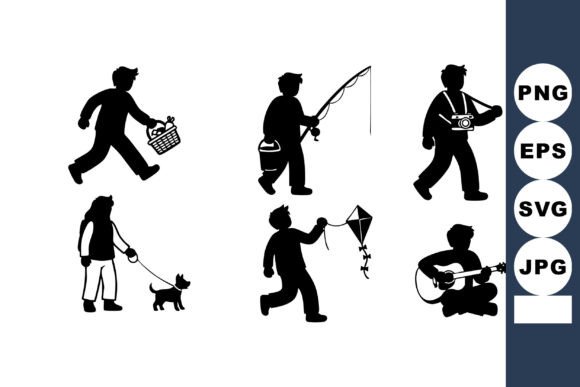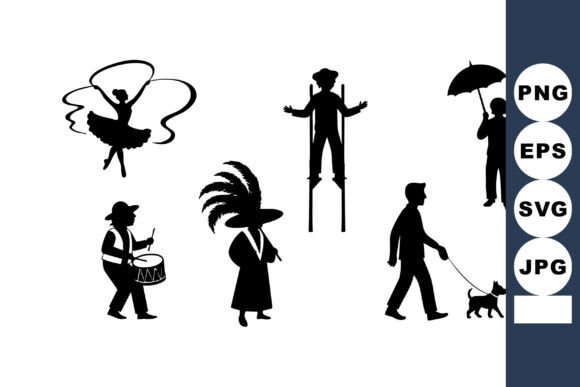
Silhouettes People Dancing Playing Drums
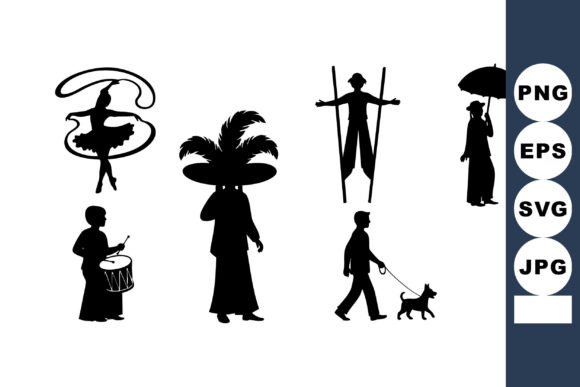
When I first opened the file for Silhouettes People Dancing Playing Drums, I was struck by how much life the designer packed into such a clean, minimal style. The black silhouettes show people in motion—dancing, drumming, walking a dog, holding an umbrella—and the overall mood is energetic without being chaotic. As someone who has tested hundreds of embroidery designs for real projects, I can tell you right away: this is the kind of graphic that either sings on fabric or falls flat, depending on how you handle it. Let me walk you through what I discovered during my test runs, so you can decide if this fits your next handmade product or client order.
First Impressions and Visual Personality
The silhouettes are simple and dynamic. That combination is rare in machine embroidery design because many vector illustrations lose their punch once converted to stitches. Here, the figures read clearly at a distance and up close. The dancing pose has a natural sway, the drummer looks like they are actually hitting a beat, and the dog walker and umbrella holder add a nice slice-of-life balance. The design feels like a celebration of everyday movement—playful, inclusive, and slightly nostalgic. It reminded me of vintage concert posters or neighborhood festival flyers, which makes it a strong candidate for craft business products aimed at music lovers, families, or community events.
Because the style relies on solid black silhouettes, the stitch density and fabric texture will make or break the final look. On a smooth cotton tote bag, the shapes stay crisp. On a textured sweater, the edges might soften too much. That is not a flaw of the design, but a reality of embroidery that every custom apparel maker needs to weigh before stitching.
Real Case: A Custom Embroidered Tote Bag for a Music Festival Booth
I tested this design on a canvas tote bag that a client planned to sell at a local music festival. She wanted something that captured the energy of live performances without looking like a generic logo. We placed the drummer and dancer silhouettes on the front pocket, with the dog walker and umbrella holder on the reverse side. The result was a conversation starter. People at the booth kept touching the stitches and asking if the figures were hand-drawn. The fill stitch on the silhouettes gave them a solid, premium feel, and the running stitch outlines kept the edges from bleeding into the fabric.
For that project, we used a medium-weight cutaway stabilizer and a dark gray thread on a natural canvas bag. The contrast was soft but visible. If you want a bolder look, black thread on a white or cream background works beautifully. The design handles both approaches well, but I recommend testing it on a scrap piece of your final fabric first. The thread colors you choose will change the mood entirely. A single-color silhouette keeps it classic; a metallic or neon thread could push it into a modern, festival-ready vibe.
Performance Across Apparel and Home Goods
I ran this embroidery file on several substrates to see where it shines and where it struggles. Here is what I found.
Custom Apparel and Sweatshirts
On a heavyweight sweatshirt, the silhouettes maintained their shape well. The drumming figure, with its raised arms and instrument, held up through multiple washes without distortion. The dancing figure, which has a slightly more open pose, also stayed clean. I would recommend a hoop size of at least 5x7 inches for the full composition. If you stitch it smaller, the umbrella handle and the dog's leash might lose definition. For a left chest placement on a t-shirt, consider using just one or two figures instead of the full set. That keeps the design readable at a smaller scale.
Tote Bags and Pillow Covers
This is where Silhouettes People Dancing Playing Drums really feels at home. The simple, bold shapes translate beautifully onto tote bags, apron fronts, and pillow covers. The silhouette style means you do not need multiple thread changes, which saves time if you are producing for a small shop product or a craft fair. I stitched it onto a linen pillow cover using a black polyester thread, and the result looked like a screen print but with the texture and durability that only embroidery provides. Customers who value handmade products often pay more for that tactile quality.
Baby Items and Nursery Decor
This might surprise you, but the design works well in a nursery setting—if you choose the right colors. The dog walker and umbrella holder have a gentle, storybook feel. On a baby blanket or a small wall hanging, using a soft gray or pastel thread instead of black keeps the mood light and playful. Avoid high stitch density on delicate fabrics like minky or flannel. Test with a lightweight stabilizer and check the fabric for puckering before committing to a full run.
Hats and Curved Surfaces
Hats are tricky for any embroidery project. The curved surface of a cap can distort the proportions of a design. With this set, the drummer and dancer are the most compact figures, so they fit better on a cap front than the dog walker or umbrella holder, which have longer vertical lines. If you are adding this to a cap, reduce the scale slightly and use a satin stitch for the outlines to keep the edges sharp. I would not recommend stitching the full composition on a hat. Pick one figure and let it breathe.
Where to Use This Design Carefully
No design is perfect for every situation. Here are a few scenarios where I would proceed with caution.
- Small hoop sizes (4x4 or smaller): The full set of figures needs room to spread out. In a small hoop, the umbrella, dog leash, and drumsticks can become too thin to stitch cleanly. If you only have a 4x4 hoop, use a single figure or simplify the layout.
- Thin or stretchy fabric: Silhouette designs rely on solid fill areas. On thin knit fabric, the weight of the stitches can cause puckering. Use a strong stabilizer and reduce stitch density if your software allows it.
- Dark fabric with dark thread: If you stitch black silhouettes on black fabric, the design disappears. That is an obvious point, but I see it happen often. Use a contrasting thread color or a light fabric background to let the shapes stand out.
- Frequent washing: For items like kitchen towels or baby bibs that will be washed often, make sure the fill stitch is not too dense. Dense stitches can trap moisture and cause the fabric to wear faster around the embroidery. A lighter fill or a running stitch outline works better for high-use items.
Visual Appeal, Product Value, and Customer Trust
When a customer picks up a handmade product with this design, they notice the clarity first. The silhouettes are instantly recognizable, which builds trust. People do not have to squint or ask what it is. That immediate recognition is a huge advantage for Etsy sellers and small business owners who want their products to communicate quickly in a crowded marketplace.
The design also has a strong giftability factor. A tote bag or sweatshirt with dancing and drumming figures feels celebratory. It works for birthdays, holidays, or just because. If you are creating personalized gifts, adding a monogram or a name next to the silhouettes keeps the focus on the figures while making the item feel custom. I tested that approach on a canvas apron for a friend who is a drummer, and she wore it to every gig until the fabric wore out.
From a commercial embroidery standpoint, this design is a smart addition to your library because it appeals to a broad audience. Music lovers, parents, dog owners, and people who appreciate simple art can all find something to connect with. That versatility makes it easier to sell finished products at a craft fair or in an online shop without needing to explain the concept. The design does the talking.
Practical Designer Notes Before You Stitch
Before you load this embroidery file into your machine, here are the steps I always take when working with silhouette-style graphics.
- Test on scrap fabric first. I cannot stress this enough. The same design that looks perfect on a cotton tee can distort on a polyester blend. Run a test stitch on a piece of fabric similar to your final product.
- Check thread color contrast. Place your thread color next to the fabric in natural light. If the contrast is too low, the silhouettes will blur into the background. If it is too high, the design might feel harsh. A dark gray on cream is my favorite neutral combo for this design.
- Review stitch density. Open the embroidery file in your software and look at the density map. If the fill areas are too dense, the fabric may pucker. If they are too light, the design may look patchy. Adjust as needed for your fabric weight.
- Confirm hoop size. Make sure your hoop can accommodate the full layout without crowding. Leave at least a half-inch margin around the design for proper stabilization.
- Inspect small details. The drumsticks, umbrella handle, and dog leash are the most delicate parts. If they look too thin in the software preview, you may need to thicken them slightly or use a running stitch instead of a satin stitch to keep them visible.
- Test in black and white mockups. Before stitching, generate a printable mockup or a simple black-and-white preview to see how the design reads at a glance. This helps you catch layout issues before you commit thread.
- Check licensing for commercial use. If you are selling finished products or using the design as design assets for your business, confirm the license terms. Some digital embroidery file sellers allow unlimited commercial use; others restrict it. Always read the fine print.
- Use proper stabilizer. For most fabrics, a medium-weight cutaway stabilizer works well with this design. For stretchy or thin fabrics, use a tear-away or water-soluble stabilizer on top to prevent the stitches from sinking into the fabric.
Final Thoughts for Makers and Shop Owners
Silhouettes People Dancing Playing Drums is a versatile, well-crafted graphic that earns its place in any embroidery project library. It works for custom apparel, embroidered patches, tote bags, household items, and even baby embroidery with the right color choices. The mood is joyful and inclusive, which makes it easy to sell to a wide range of customers. For handmade product sellers and creative entrepreneurs, this design offers a solid return on investment because it requires minimal thread changes, stitches out cleanly on most fabrics, and appeals to people who appreciate both art and music.
If you are a crafter looking for a design that feels fresh without being trendy, or a small shop product designer who needs reliable graphics for multiple use cases, I recommend giving this one a test run. Just remember to check your stitch density, choose your fabric wisely, and always test before you commit to a full production run. With the right preparation, these silhouettes will dance off your fabric and into your customers' hands.